
In the second recording of Grounded Live for this autumn and winter, Kyle Richardville and Stuart Johnson, from our mentoring team, were joined by Jo Dawson, CEO of wool merchant H. Dawson and The Woolkeepers, and Cumbrian sheep and beef farmer Jimmy Stobart.
Together they discussed approaches to regenerative sheep breeding along with the ways in which The Woolkeepers is helping British farmers find a sustainable, financially viable route to market for their wool.
You can watch the full discussion below or listen to the recording as a podcast here. The episode is also available to listen to on your podcast platform of choice by searching for Grounded: The regenerative farming podcast.
“If you were to create it today you'd get the Nobel Prize.”
Jo Dawson’s great-grandfather established wool merchants H. Dawson, in West Yorkshire, in 1888.
However, as demand for wool dropped following the introduction of synthetic fibres, Jo began to think about how the company could work with farmers to attract a fair price, while also finding more ways to market its benefits as a product to consumers.
He set up The Woolkeepers in 2018. The company now works with a network of 1000 farmers, to buy their wool and then add value by selling it for purposes where its unique properties bring real benefits to products. This includes mattresses, furnishings and wool insulation for clothing.
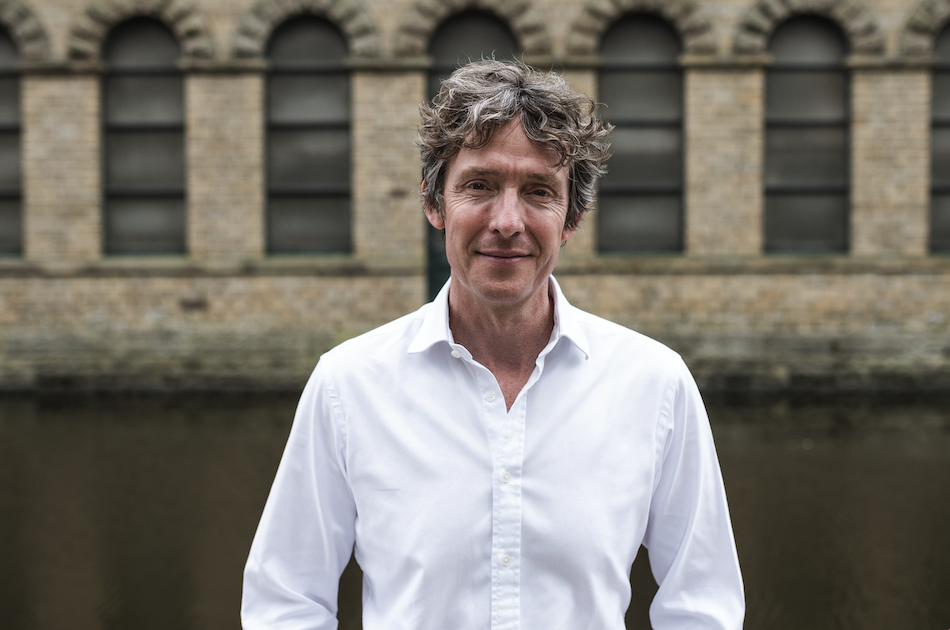
Jo Dawson, CEO of H. Dawson and The Woolkeepers
“My lightbulb moment was when I saw Allan Savory talk and understood the potential that we have, if we were able to encourage the land to improve and then to sell that benefit to the end consumer. I felt that was going to be a really positive impact story,” says Jo.
“We are effectively trying to find layers of value. That's the essence of what we've been doing over the past few years. And all of that with the objective of getting farmers back into profit when they're growing their wool.
“We are seeing farmers who have been significantly challenged when it comes to wool production and questioning if they're going to stay with sheep, or if they should actually be moving to sheep that don't have any wool on them, which to me is catastrophic because it's a very clever fibre. If you were to create it today you'd get the Nobel Prize.”
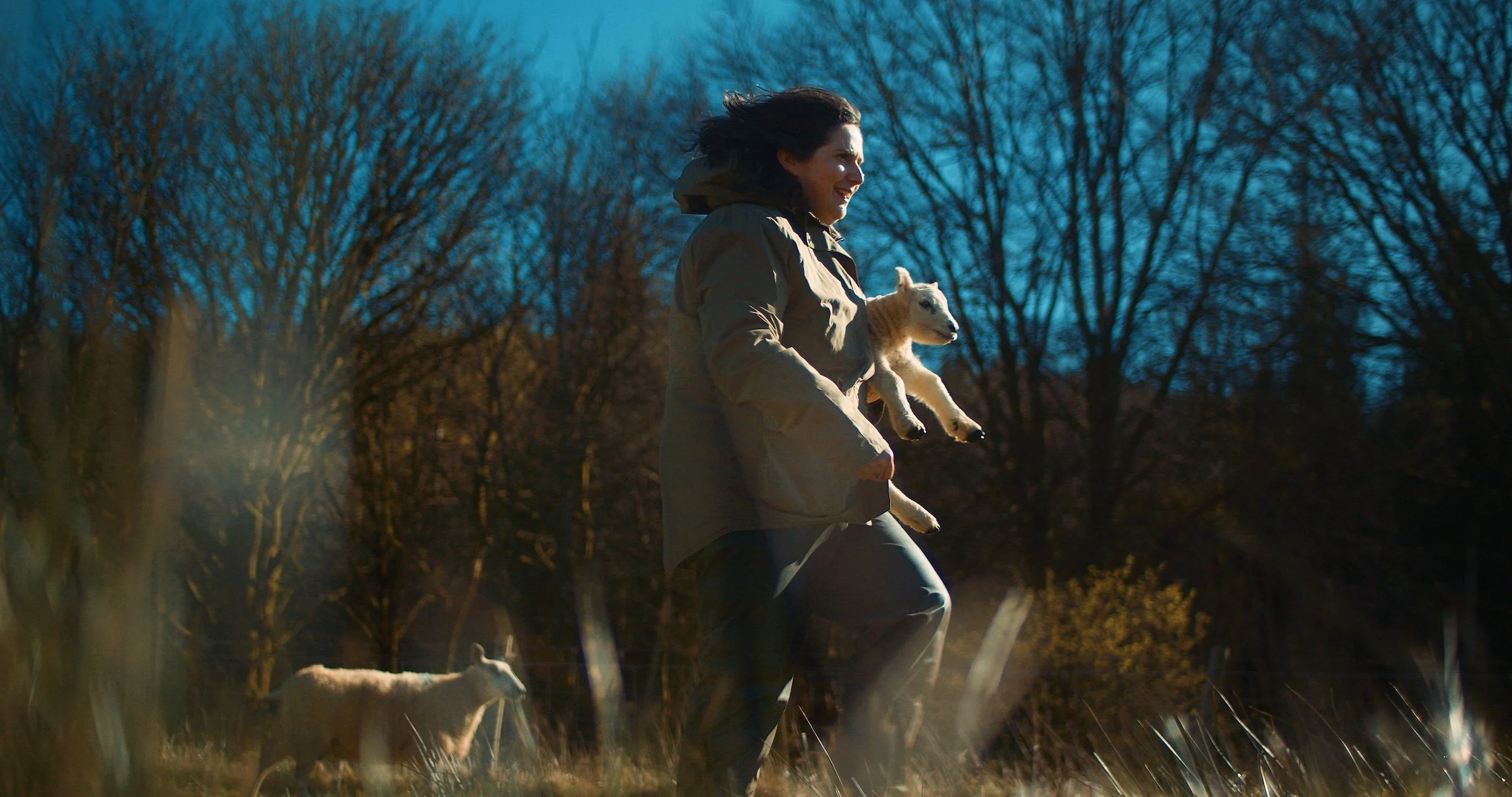
The Woolkeepers works with a network of 1000 farmers.
The Woolkeepers work with farmers to meet strict environmental, animal welfare, and traceability standards.
“It’s about how we can make sure that all of our claims, whatever they might be, are independently verified,” says Jo.
“Our next phase is about how we can encourage our farmers to go on a regenerative journey. And then how can we establish levels of value in the marketplace for the wool that comes from those production systems.
“It's a way of driving value back to the farm, encouraging transition towards regenerative practices and also selling a really fabulous product in the process.”
Regenerative sheep farming in action on a Cumbrian hill farm
One of the farmers who has joined The Woolkeepers community is Jimmy Stobart, who is also a member of Regenerate Outcomes, and who farms 780 hectares of grassland and upland at Croglin High Hall, in Cumbria’s Eden Valley.
Over the last 15 years, Jimmy, who farms alongside his brother Tom, has transitioned from a conventional hill farming operation to a more pasture-based low-input system.
They predominantly produce store lambs from their flock of Perendales, which are crossed with Cheviot Romneys and Easy Dam sheep. The sheep graze in rotation with the farm’s herd of Wagyu cattle.
“We've actually got to a point now where there's no feed inputs into the sheep whatsoever and no concentrate. Unless there's extreme weather, there's no provision to feed the sheep hay or silage or any conserved forage through the winter,” says Jimmy.
Jimmy says a key starting point for moving to a low input system is to ensure the infrastructure is in place for mob grazing, meaning investing in quality fencing and a reliable water supply across the grazing platform.
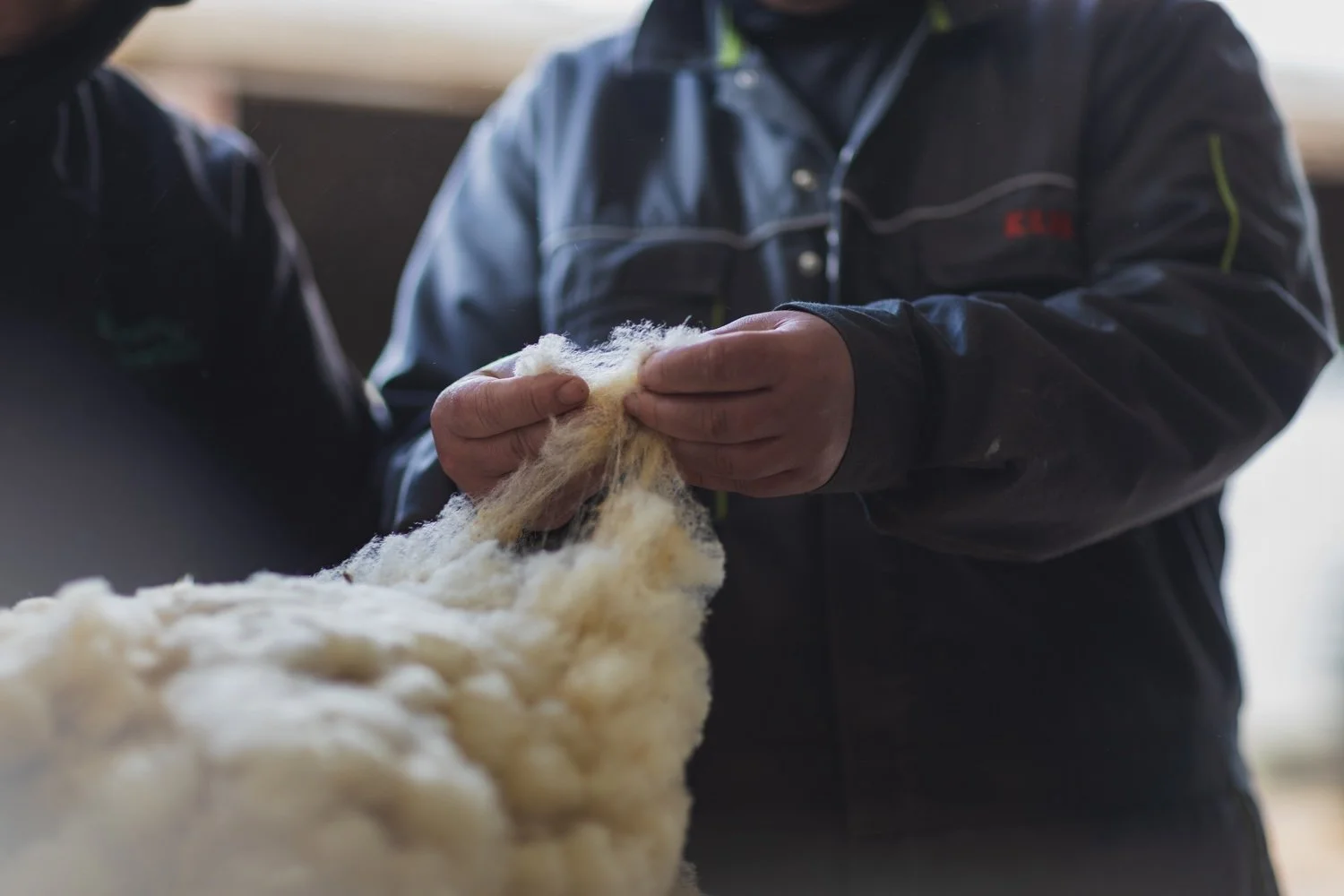
“It's a way of driving value back to the farm, encouraging transition towards regenerative practices and also selling a really fabulous product in the process.”
Stuart, who mob-grazes sheep and cattle on his family farm near Hexham, says it is important to experiment with grazing patterns to ensure the best performance in your particular farming context.
“Ultimately, it's about trying to make sure that when we are moving the sheep, we are maintaining performance,” he says.
“The worst thing that we see is when people go from short grass grazing and put them into some really tall, lignified stuff straightaway. The sheep have been bred for generations to eat short-leafed grass and then all of a sudden we turn them into big, long, lignified, mature plants and it's a real shock to the system.
“Apply the selection gently, move them into taller swards over time, make sure that when we are moving them, we're not piling them into a tiny little area and asking them to eat everything. Then when we do go to the mature stuff, they’ll be more selective.”
Listen to the whole episode as a podcast or watch it here to catch up on the full discussion.
Regenerate Outcomes works with
farmers to grow profits
We provide one-to-one mentoring to help you cut costs and improve crop and livestock performance.
At the same time, we baseline and measure soil carbon at no upfront cost to generate carbon credits which you can retain or sell for additional income.
Find out more by downloading our Programme Handbook.