

High integrity soil carbon credits that benefit rural communities, nature and the climate
-

A trusted option for companies addressing residual emissions
-

Credible credits with independent validation
-

UK-based climate impact and natural capital benefits
-

Transparent methodology and robust governance
Why choose Regenerate Outcomes soil carbon credits?
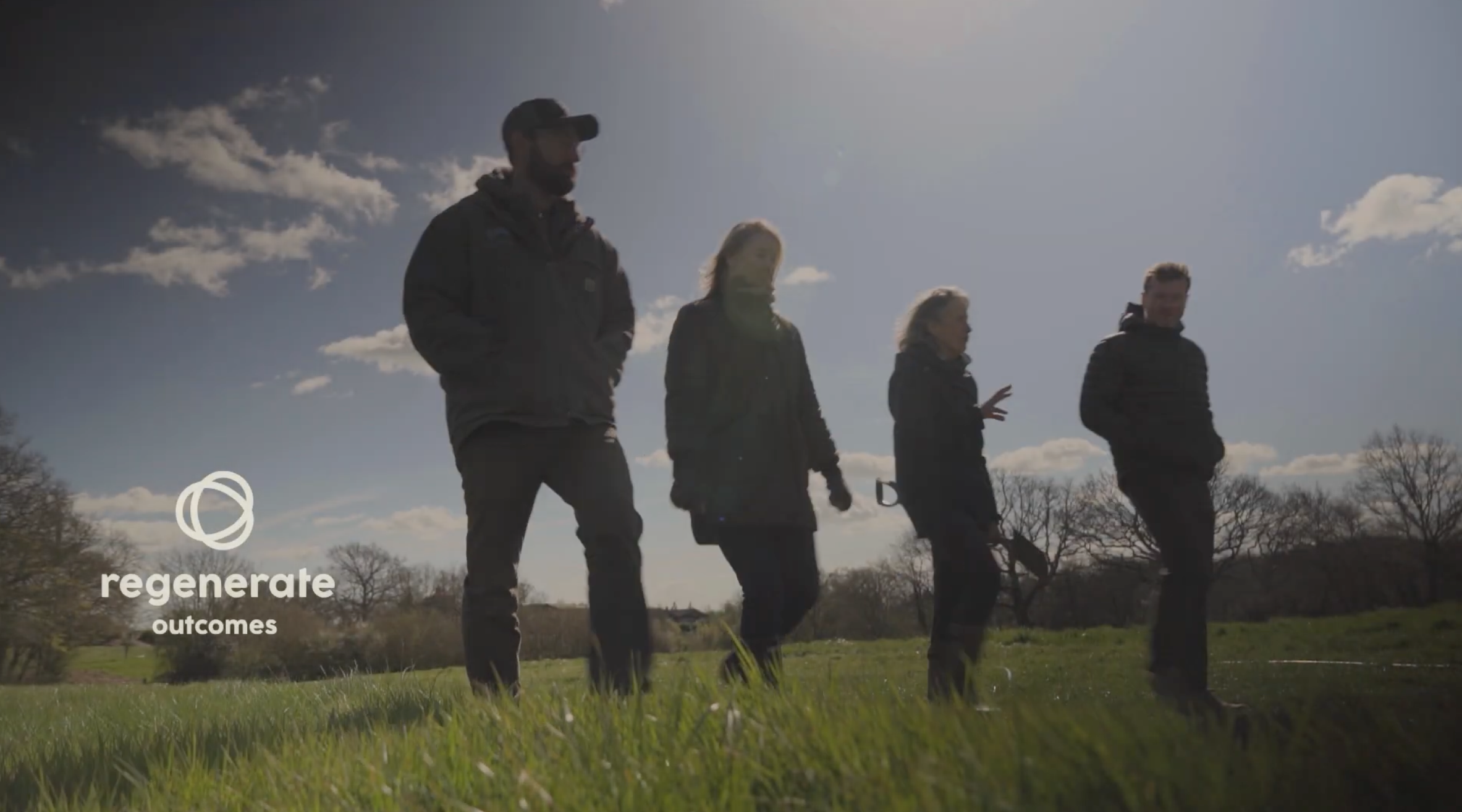
Regenerate Outcomes work with British farmers to implement regenerative land management practices designed to improve soil health, increase carbon stocks and strengthen long-term agricultural resilience.
Credits generated through the project are subject to ongoing monitoring and independent verification in accordance with Verra requirements prior to issuance.
The project provides access to a domestic carbon credit solution supported by a robust methodological framework and transparent governance.
As organisations face increasing scrutiny over climate claims and carbon procurement decisions, demand continues to grow for credits that demonstrate clear standards, measurable outcomes and trusted assurance processes.
• Positive social impact
• Environmental benefits
• Human health benefits

What does it mean to be Verra registered?
Regenerate Outcomes is the first British-origin soil carbon programme to be Verra registered, expanding high-integrity carbon credit supply for corporate buyers.
Verified Carbon Standard
We generate high integrity carbon credits with the Verified Carbon Standard (VCS), the most established and rigorous standard in the voluntary carbon market. The specific VCS methodology used is VM0042 Improved Agricultural Land Management.
This involves laboratory-based soil carbon analysis and conservative carbon modelling. A VCS-approved third party verification body (VVB) ensures that all data is collected accurately.


Benefits of regenerative practice
Healthy, biologically active soil underpins nutritious food production and a stable carbon cycle. Much British farmland now suffers from compacted, depleted soils that rely on petrochemical inputs which can harm water systems and the climate. Understanding soil health enables farmers to make better decisions for both their livelihoods and the environment.
Sequesters carbon dioxide from the atmosphere and stores carbon in its many forms
Absorbs and stores rainwater, reducing flooding and drought damage
Filters pollutants and prevents erosion, keeping rivers and groundwater clean
Supports plant and animal growth and immune resistance without the need for manufactured inputs
Provides habitat for beneficial soil organisms