
Summer drought and parasite risk: The Mitigating Role of Regenerative Practices
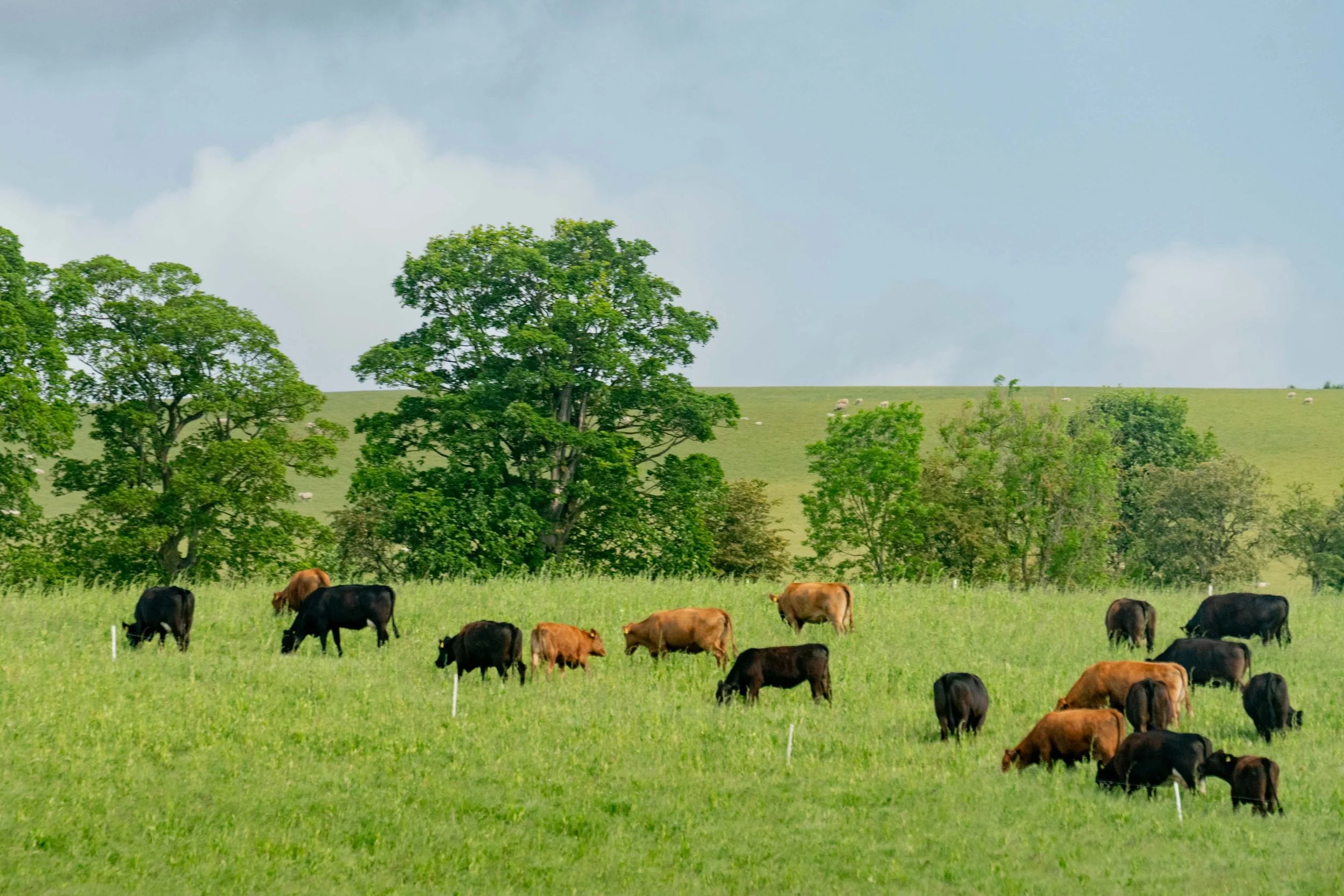
Drought conditions, as experienced across the UK during 2026, force a shift in pasture dynamics which creates a high-risk environment for grazing ruminants.
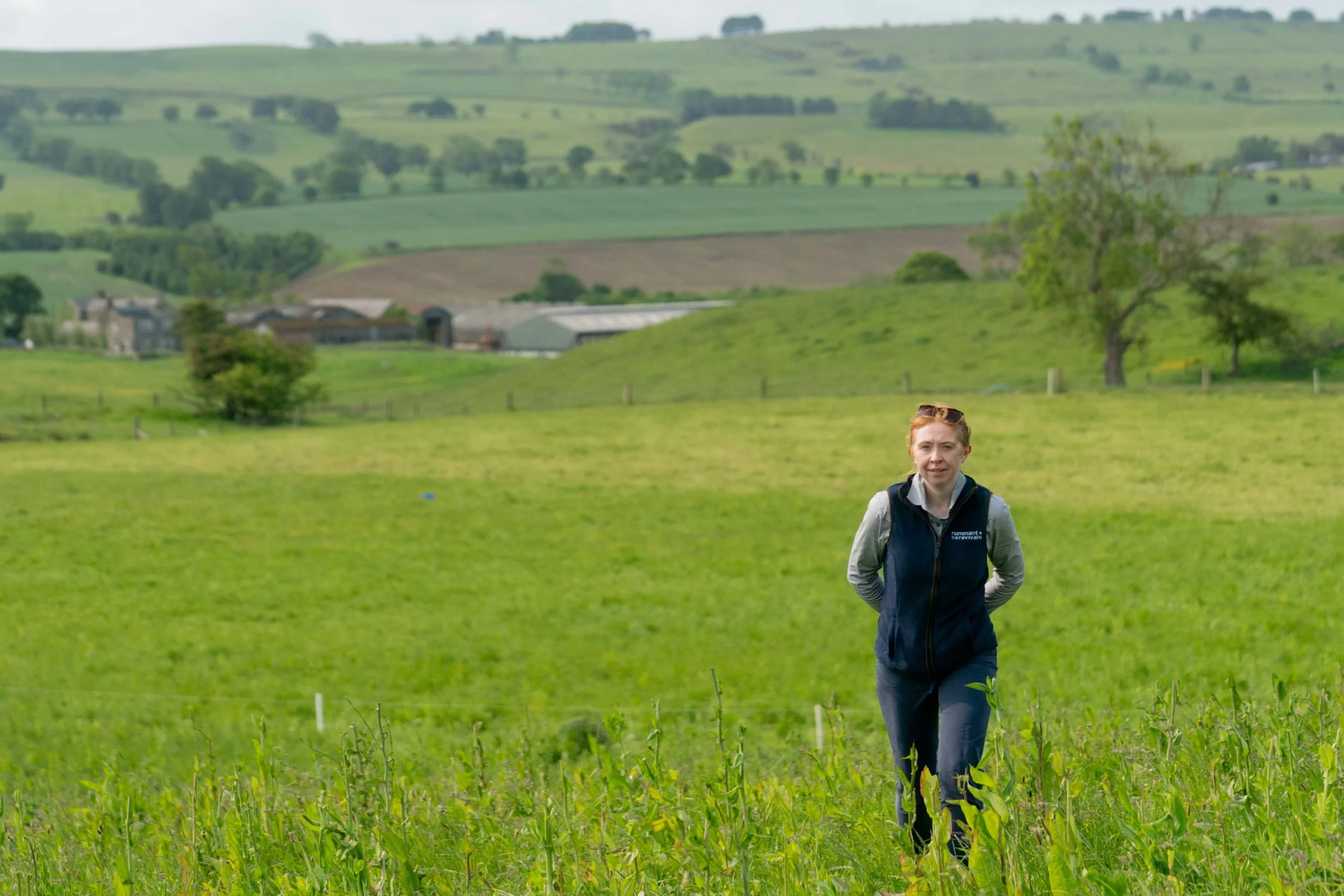
In this article, Lahra Harcourt-Brown, large animal vet and consultant from Ruminant Revival, in Hexham, explores the impacts of drought conditions on parasite risk, and how regenerative practices can mitigate these challenges.
The impact of drought conditions
1. Compromised host immunity
Drought conditions place physiological and nutritional stress on grazing ruminants.
Nutritional stress due to suppressed pasture growth, and thus reducing protein and energy intakes has knock-on effects on overall host immunity. Heat stress reduces rumination, increasing the incidence of metabolic disease and altering immune function¹.
2. Pasture contamination – high after rain
When periods of rain are experienced following drought conditions, dormant larvae are released from faecal pats that are dissolved in water². This initiates the release of thousands of larvae into a warm, damp environment causing a spike in pasture contamination.
3. Sward height
80% of internal parasite larvae occupy the bottom 25% of the grass blade (lowest 2 inches)³. Where drought conditions stunt grass growth and often force over grazing, livestock grazing close to this danger zone may push up intakes of parasitic larvae.
Preserving sward heights, prioritising adequate nutrition and embracing monitoring and grazing tactics mitigate the risk of explosive issues following rain.
Regenerative practices which mitigate parasite risk
Adaptive and mob grazing practices which encourage shorter periods of grazing, benefit parasite management in several ways.
Higher Residuals – leaving higher residuals by moving animals from pastures before grazing grass down below the 2-inch danger zone described above. This prevents grazing of the larvae lying at the lower levels of the sward.
Rest Periods – Although not foolproof, leaving longer rest periods as practiced with adaptive grazing, promotes increased sward height and may also reduce larval burden if larvae die out before animals return.
Opportunity to plan – these grazing tactics may also mean planning ahead for grazing cleaner pastures during periods of wet weather is possible. Trying to avoid low sward height and highly contaminated pasture during periods of wet weather is advisable to avoid falling foul of mass larval activity.
Establishing diverse swards which have better drought resilience.
We are understanding more about the presence of tannins in diverse swards and the impact of these compounds on reducing parasite burdens.
Resilient pastures which can provide nutritious forage under drought conditions is key to promoting good ruminant health and supporting their immune systems.
Supporting soil biodiversity to safeguard beneficial pasture invertebrates including dung beetles, promoting dung breakdown.
Dung beetles are key in breaking apart dung pats and reducing pasture faecal contamination. A lack of dung on the surface of pasture will mitigate the risk of mass larval contamination, where sward height is low and conditions are mild and damp.
Provision of shelter by woodland and hedgerows enables grazing livestock to seek out shade to avoid impacts of high temperatures.
Trees, hedgerows and healthy pastures all offer livestock better conditions for grazing when temperatures are high.
Using data and sharing knowledge to understand parasite risk.
Recognising problem pasture areas, including what class of stock has grazed previously, their age and parasite status.
Understanding and preserving sward heights to plan movement of stock.
Faecal Egg Counts (FEC) to understand pasture contamination and to identify parasite burdens early.
In summary, there are several regenerative practices which promote resilience to parasite burdens under drought conditions. With the changing climate and increased drought risk nationally, it is now as important as ever to consider how we can adapt our farming practices to promote long-term resilience.
Lahra Harcourt-Brown, BSC(Hons) BVM&S MRCVS, Large Animal Vet and Consultant

Ruminant Revival is the UK’s first veterinary-led consultancy of its kind, born from watching too many farms struggle with increasing dependency on external inputs whilst profitability stagnates. We recognised an opportunity to flip the script: applying trusted regenerative principles and blending scientific insight with practical, on-the-ground experience to help food producers build more self-sustaining and genuinely resilient farming systems.
¹ Hossain, Delower & Rahman, Sabrina & Kulsum, Umme & Bristi, Sabiha Zarin Tasnim & Karim, Md Robiul & Jamai, Anoar & Begum, Maksuda & Ali, Md. (2025). Effect of Heat Stress on the Health and Performance of Dairy Cattle: A Comprehensive Review. Vietnam Journal of Agricultural Sciences. 8. 2575-2592. 10.31817/vjas.2025.8.2.13.
² Shearer, C. L., & Ezenwa, V. O. (2020). Rainfall as a driver of seasonality in parasitism. International journal for parasitology. Parasites and wildlife, 12, 8–12. https://doi.org/10.1016/j.ijppaw.2020.04.004
³ Speir, A. (2018) Managing internal parasites through better grazing. Available at: https://site.extension.uga.edu/forageteam/2018/03/managing-internal-parasites-through-better-grazing/(Accessed: 10 September 2026).
Regenerate Outcomes works with
farmers to grow profits
We provide one-to-one mentoring to help you cut costs and improve crop and livestock performance.
At the same time, we baseline and measure soil carbon at no upfront cost to generate carbon credits which you can retain or sell for additional income.
Find out more by downloading our Programme Handbook.